
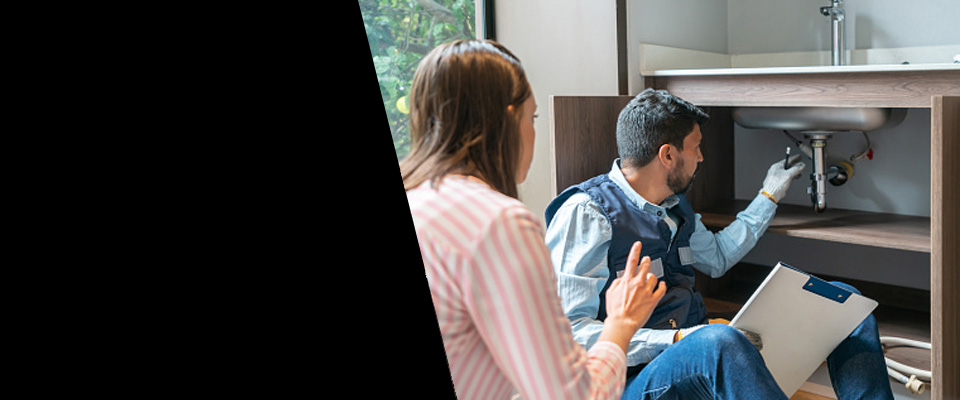
Gas Line Repairs Plumbing Services in West Salisbury, PA
West Salisbury Gas Line Repairs Pros ready now in Somerset County
Gas Line Repairs provides a critical plumbing service that includes assessment, upkeep, and correction of natural gas and propane lines to ensure code adherence and safe operation. This service resolves gas leaks, pressure irregularities, and pipe damage, using advanced diagnostic tools and safety standards to protect occupants and prevent hazardous conditions. Licensed plumbers ensure all repairs comply with laws and regulations for reliable and secure gas delivery
We provide top notch Plumbing services throughout Somerset County. Whether you need help with Gas Line Repairs or other issues, our Professionals is ready.

Plumbing Services in West Salisbury, PA
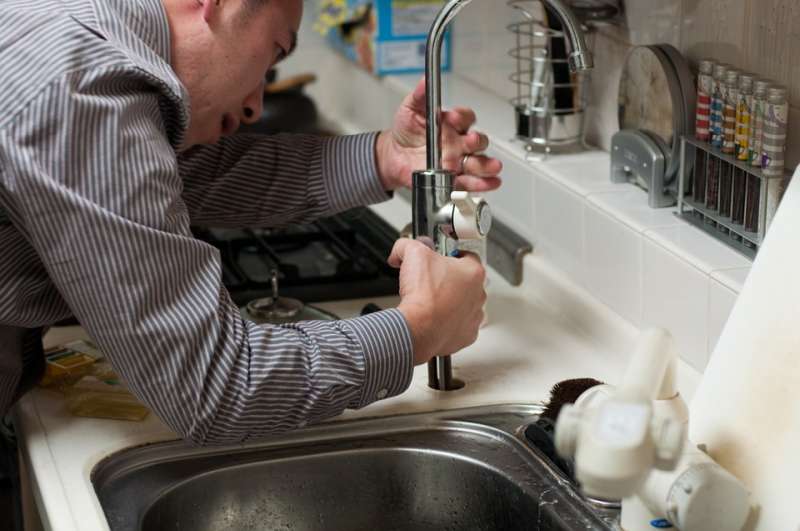
Appliances
Installing dishwashers, hot water heater (tank and tankless), waste disposal unit, and washing devices.
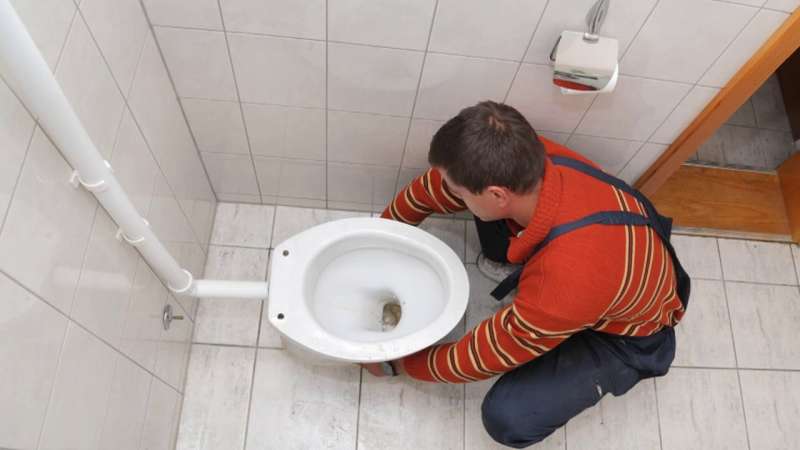
Backflow Testing and Prevention
Making sure backflow avoidance gadgets are working correctly.
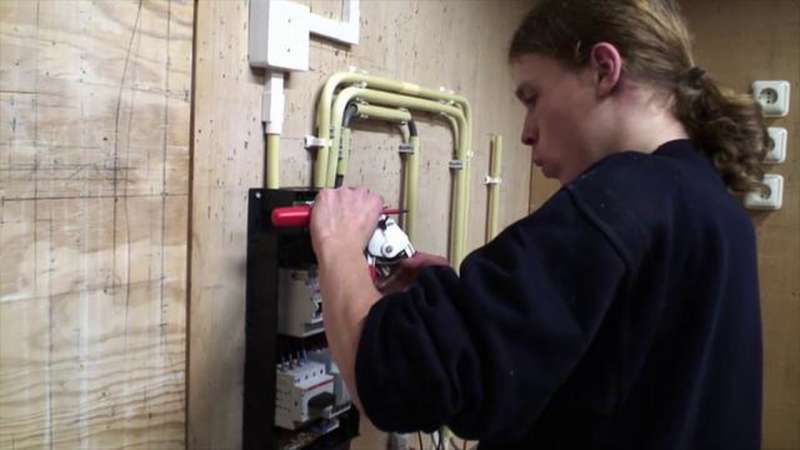
Bathroom and Kitchen Remodeling
Moving or updating plumbing systems.
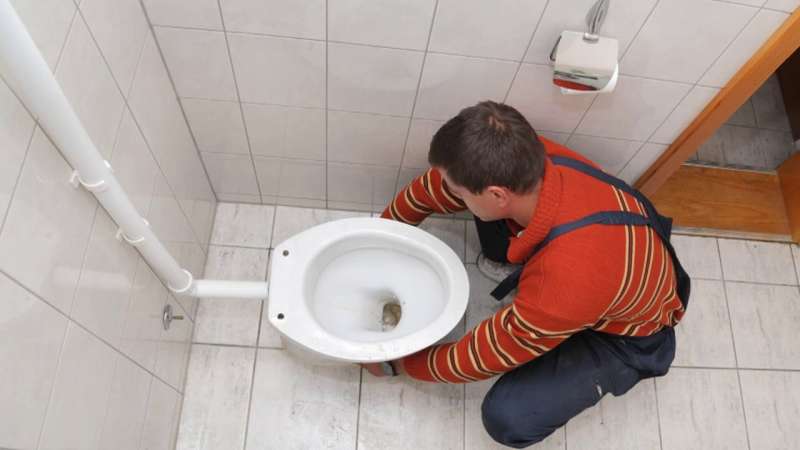
Building Code Compliance
Making sure plumbing systems satisfy local regulations.
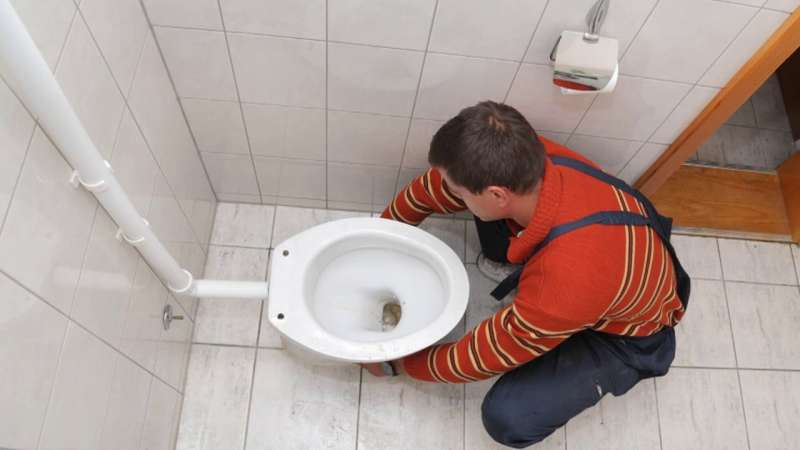
Burst Pipes
Immediate reaction to prevent flooding and water damage.
Clogged Drains
Clearing blockages in sinks, toilets, showers, and drain lines.
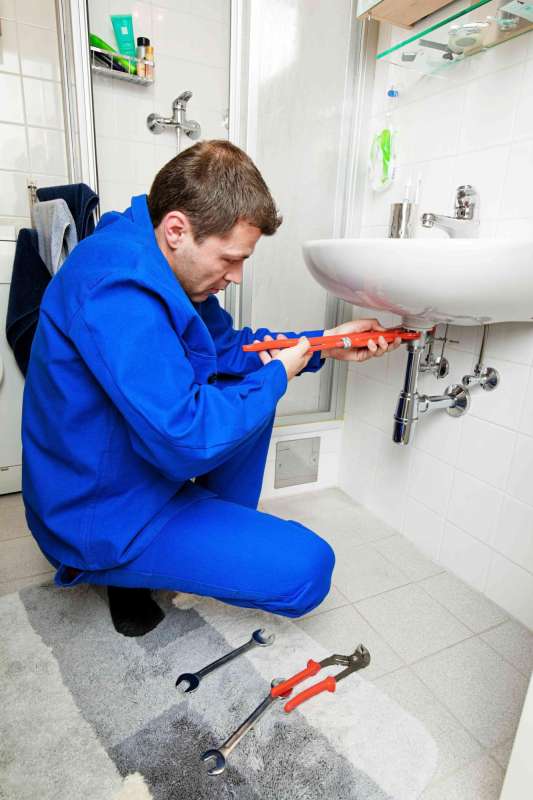
Drain Cleaning
Routine cleaning to prevent obstructions and maintain flow.
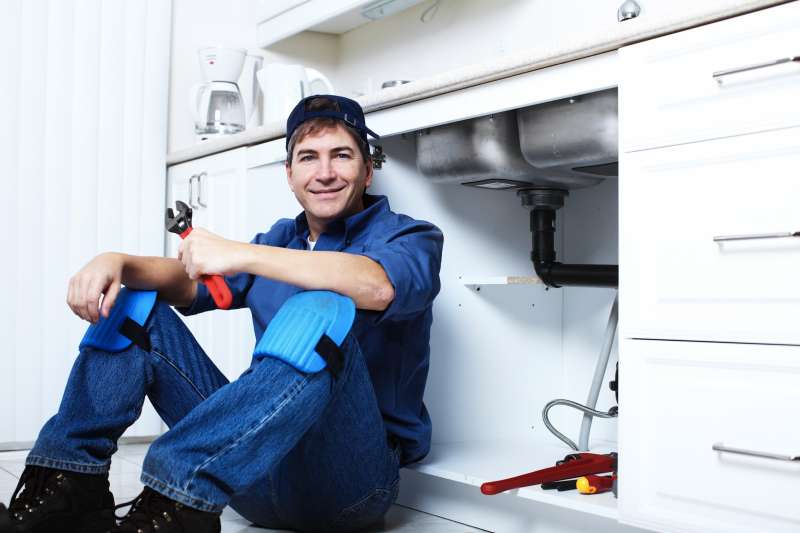
Fixture Repairs
Fixing malfunctioning faucets, toilets, and other fixtures.
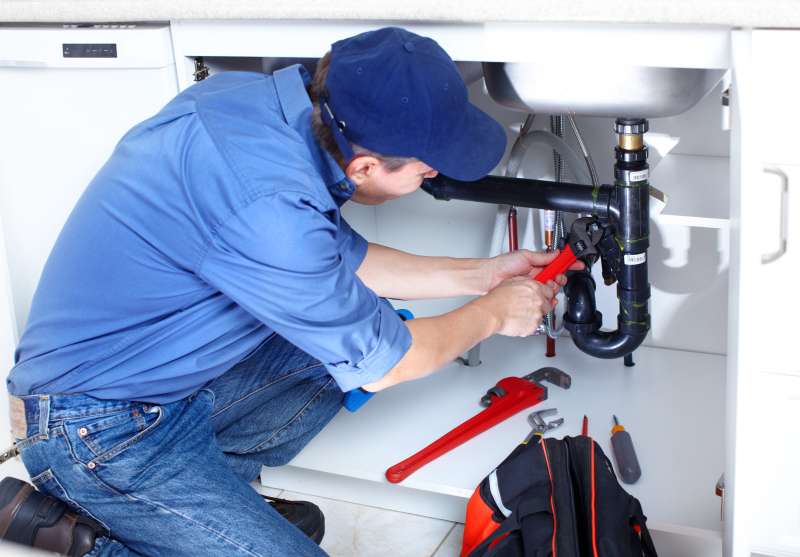
Fixtures
Installation of sinks, faucets, toilets, tubs, and showers.

Gas Leaks
Emergency detection and repair work to prevent threats.
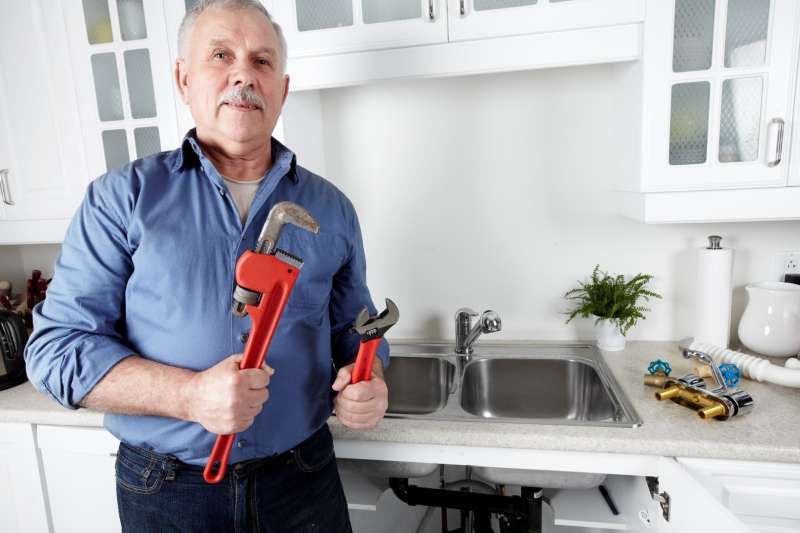
Gas Line Repairs
Repairing gas leakages and making sure appropriate gas line operating.
Greywater Recycling Systems
Setting up systems for reusing household wastewater.
Hydronic Heating
Installing and preserving radiant flooring heating unit.
Industrial Pipework
Specialized piping for factories or industrial settings.
Irrigation Systems
Setting up and preserving outside watering.
Large-scale Installations
Plumbing systems for new buildings or restorations.
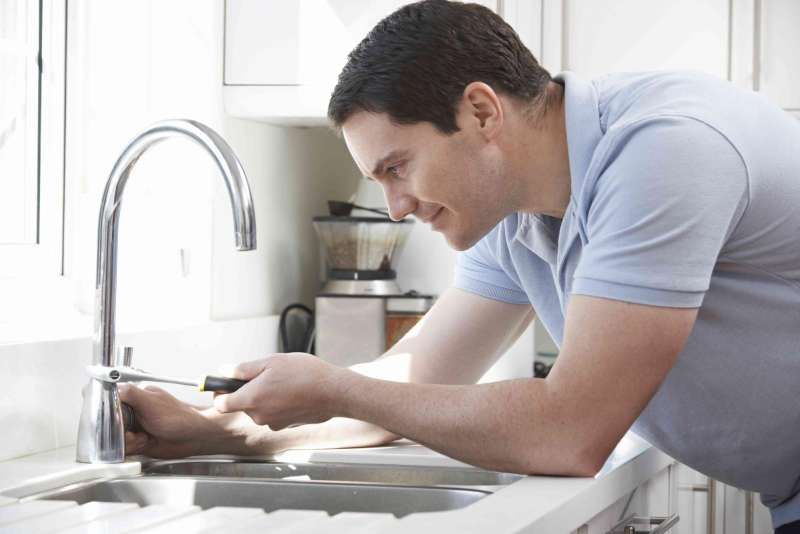
Leak Detection and Repair
Repairing leaks in pipes, faucets, toilets, and appliances.
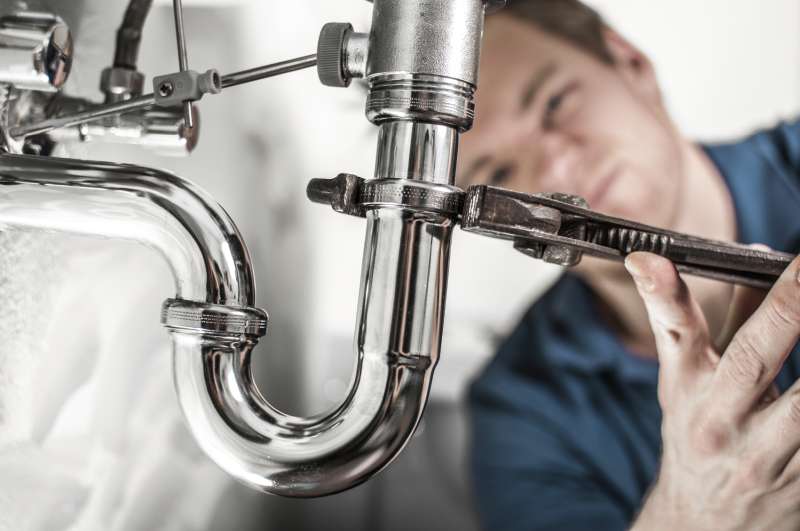
Overflowing Toilets
Quick resolution of serious obstructions and overflows.
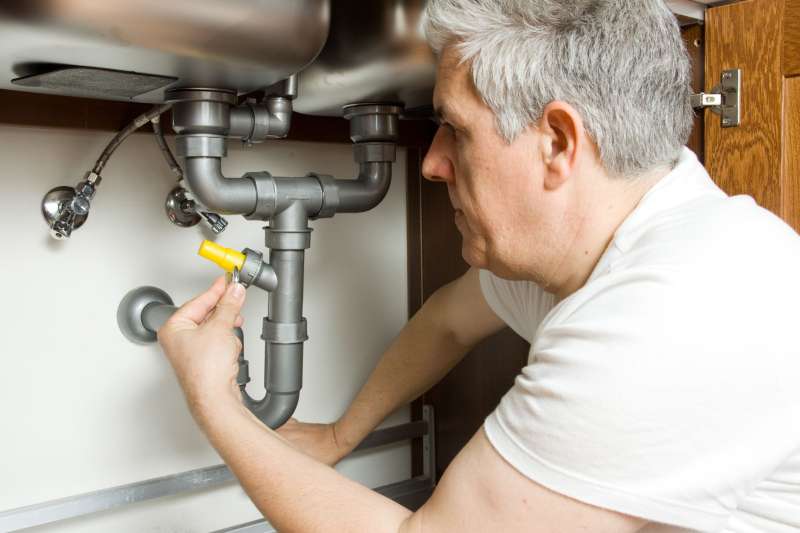
Pipe Inspections
Using video cameras to inspect pipes for damage or clogs.
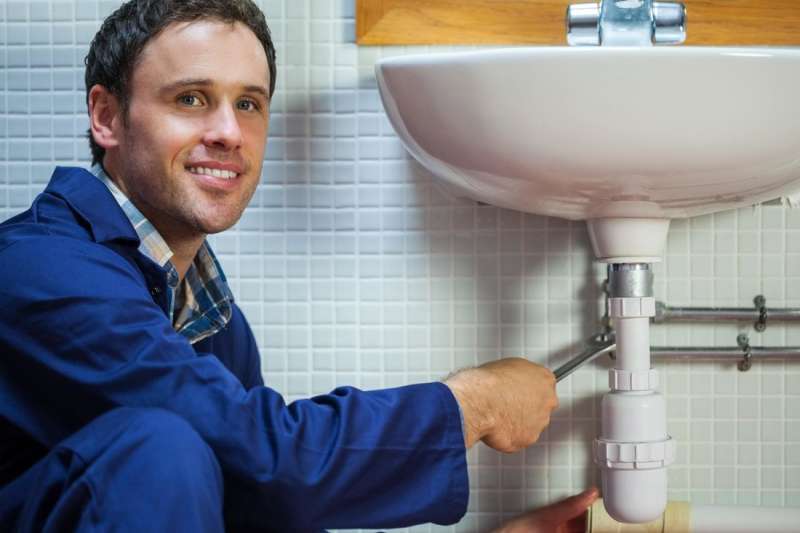
Pipe Repairs
Repairing or changing burst, worn away, or harmed pipes.
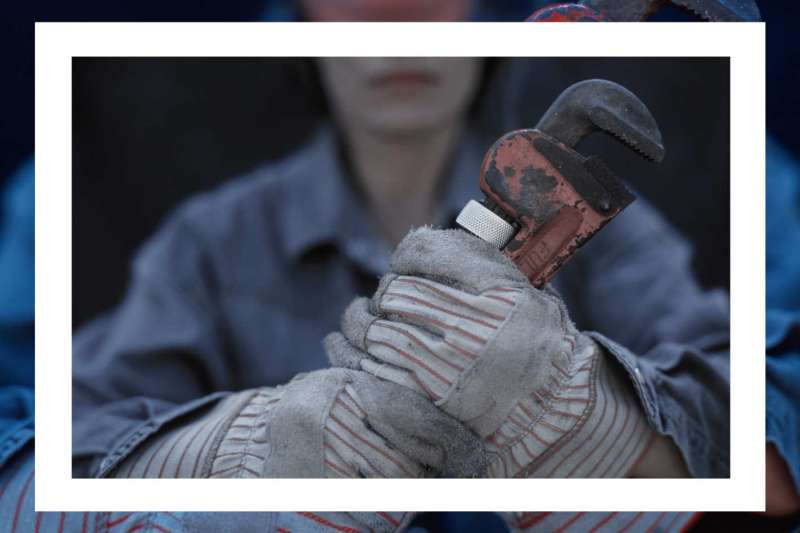
Pipes and Fittings
Setting up new piping systems for water, gas, and drainage.
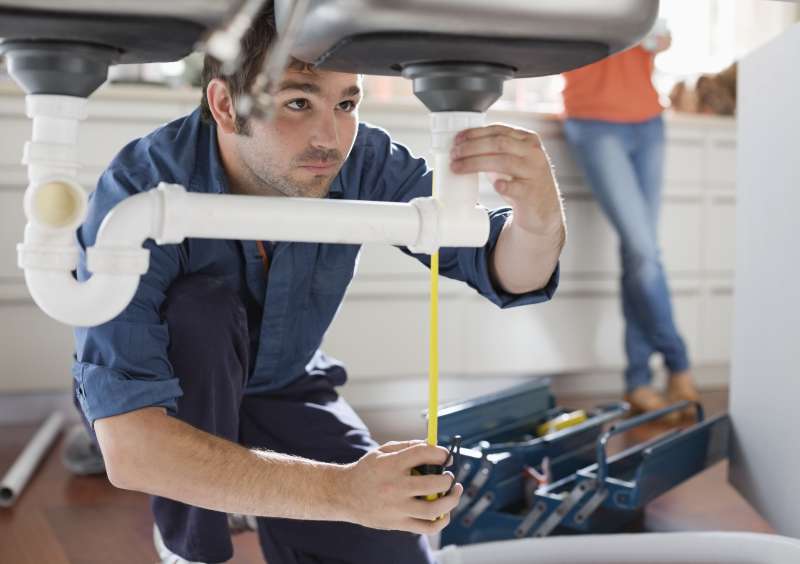
Pre-Purchase Inspections
Assessing plumbing systems before purchasing residential or commercial property.
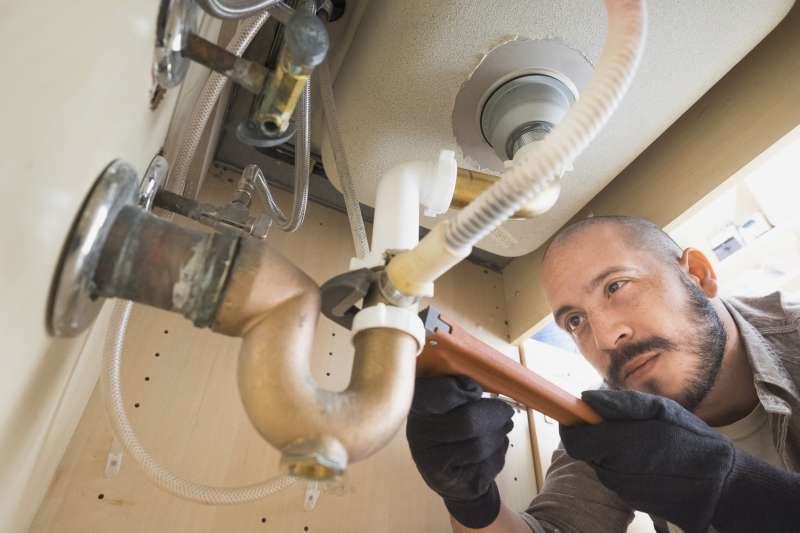
Rainwater Harvesting Systems
Installing systems to collect and use rainwater.
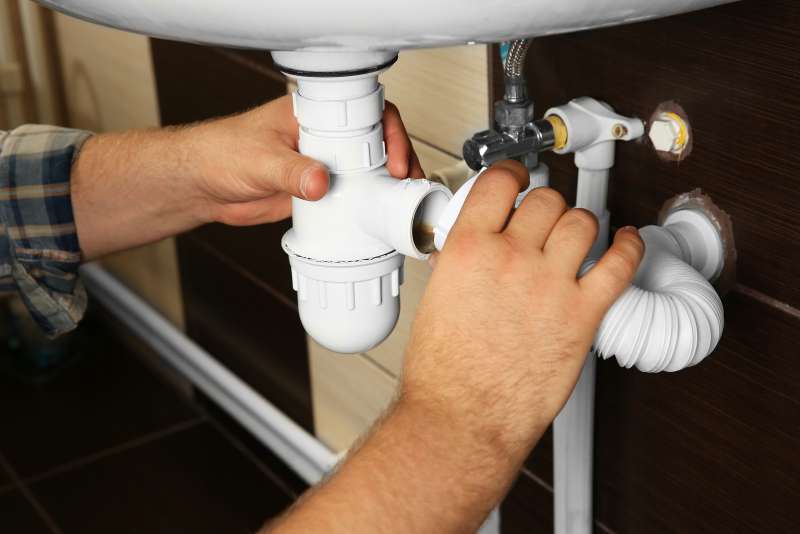
Regular Maintenance Contracts
Continuous maintenance services for services.
Septic System Services
Putting up, repairing, and keeping septic systems.
Sump Pump Installation and Repair
Handling groundwater in basements.
Upgrading Fixtures
Installing water-efficient or modern components.
Water Efficiency Consulting
Advising on water-saving techniques and items.
Water Filtration Systems
Installing water conditioners and purification systems.
Water Heater Maintenance
Flushing and inspecting water heaters to lengthen life-span.
Water Heater Repair
Addressing issues with temperature, leakages, or failure to heat water.
Waterproofing
Securing basements or other areas from water intrusion.
Sewer Backups
Immediate attention to prevent contamination and health risks.